
Astronomical Photographic Research Archive
Discoveries still hide within this vast store of data where skies of the past wait to answer questions of the future.
Astrophysics often seeks to understand phenomena that stretch the limits of what we know, things that cannot be observed here on Earth or replicated in labs, (at least for now!) so we look to the skies. As things in space change, we learn how they work.
Short-term changes in can be studied by making new observations, but many changes happen slowly and need to be observed for years, even decades, to understand them.
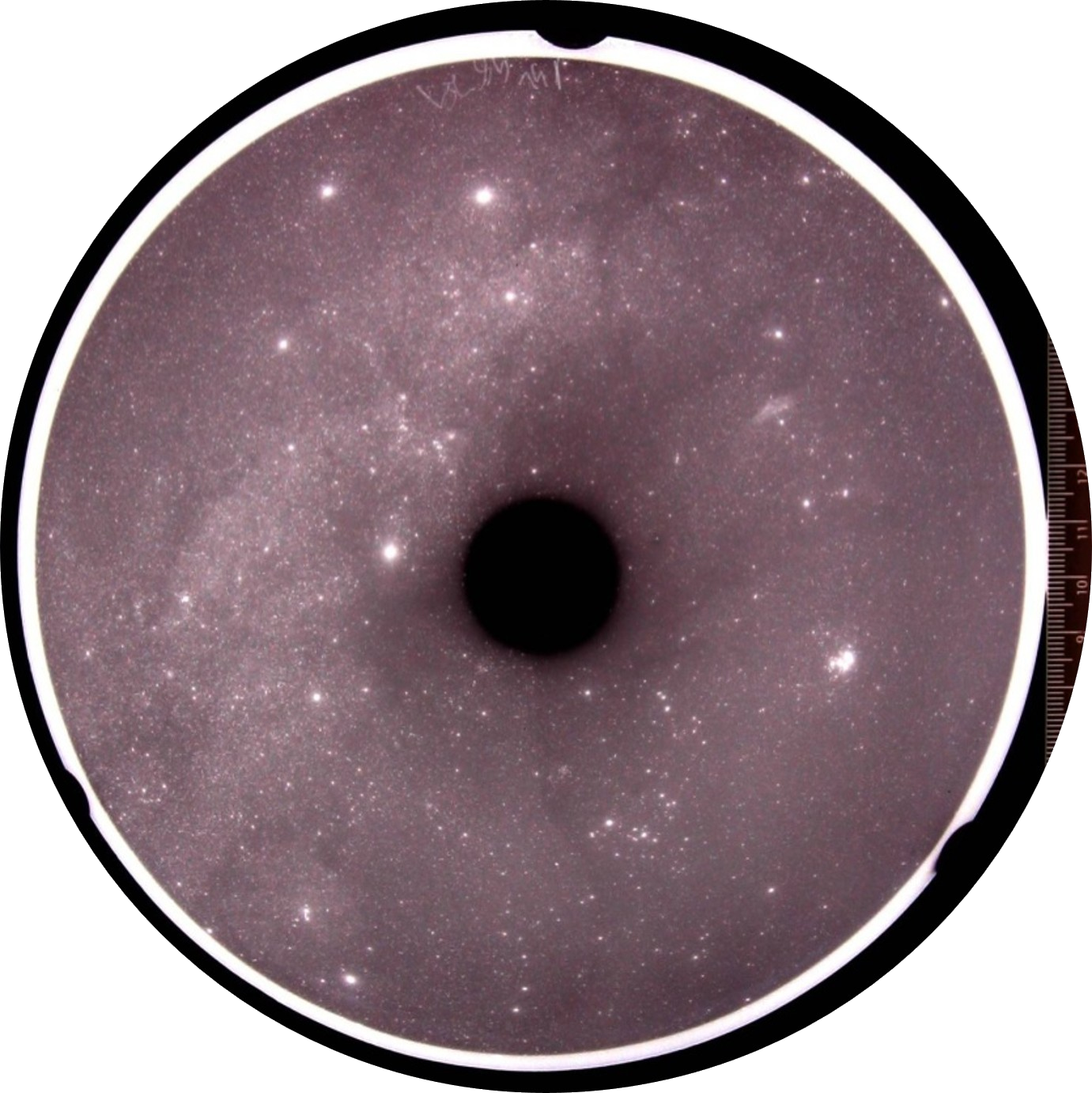
Fortunately, astronomical observations beginning in the 1800's were archived and stored on photographic glass plates and film all around the world. There are an estimated one to two million plates in North America alone.
In 2007, a group of 31 international scientists gathered at PARI to develop a plan for the preservation of this astronomical photographic data. They established the Astronomical Photographic Data Archive (APDA) which is dedicated to the task of collecting, restoring, preserving and storing the data. The process includes scanning each image and recording data about what it is and how it was collected. Once scanned it becomes accessible to scientists, researchers, and students around the world.
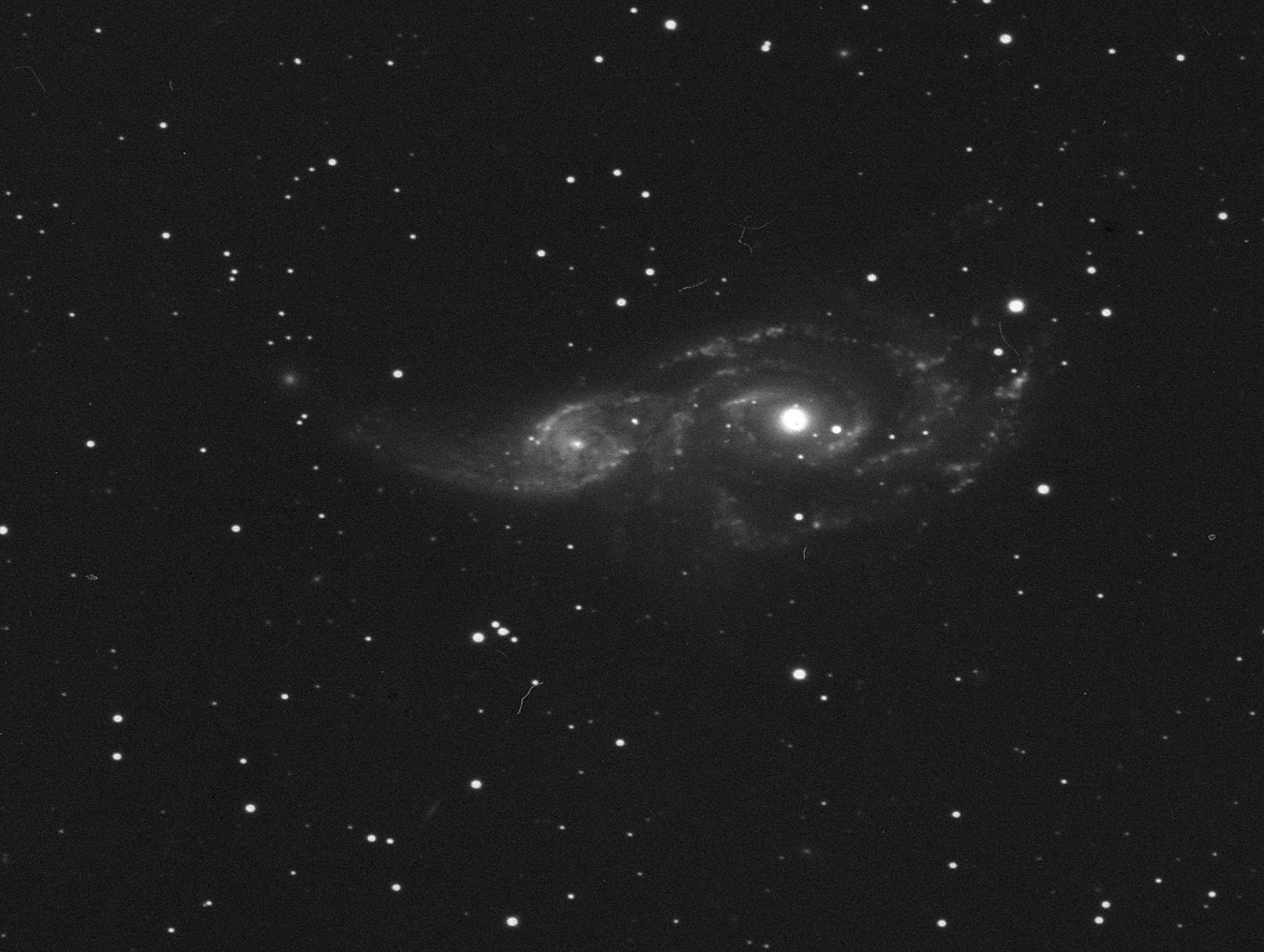
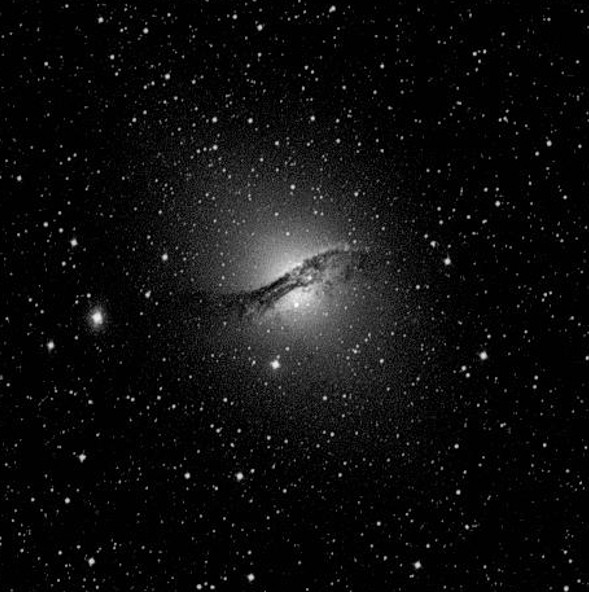
Many plates contain a vast number of stars and other objects that were never studied by the astronomers who originally collected the data. Researchers today can look back in time with plate collections to reveal the past.
Some collections contain images of the same part of the sky, night after night, for years or decades! Fascinating, important, and ground-breaking data still contains information to be studied. APDA includes plates of the first ultra-violet astronomy ever done, images of the Sun every day for a century, films used to identify near-Earth objects, data used in the creation of all-sky catalogs used by today's space telescopes to aim and position themselves, and more!
New techniques exist today to learn more from the data they contain. AI and Machine Learning give new uses to the collections.
Exoplanets and variables stars can be confirmed. Transient events can be investigated for past occurrences. Countless research opportunities await!

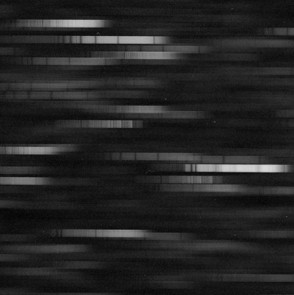
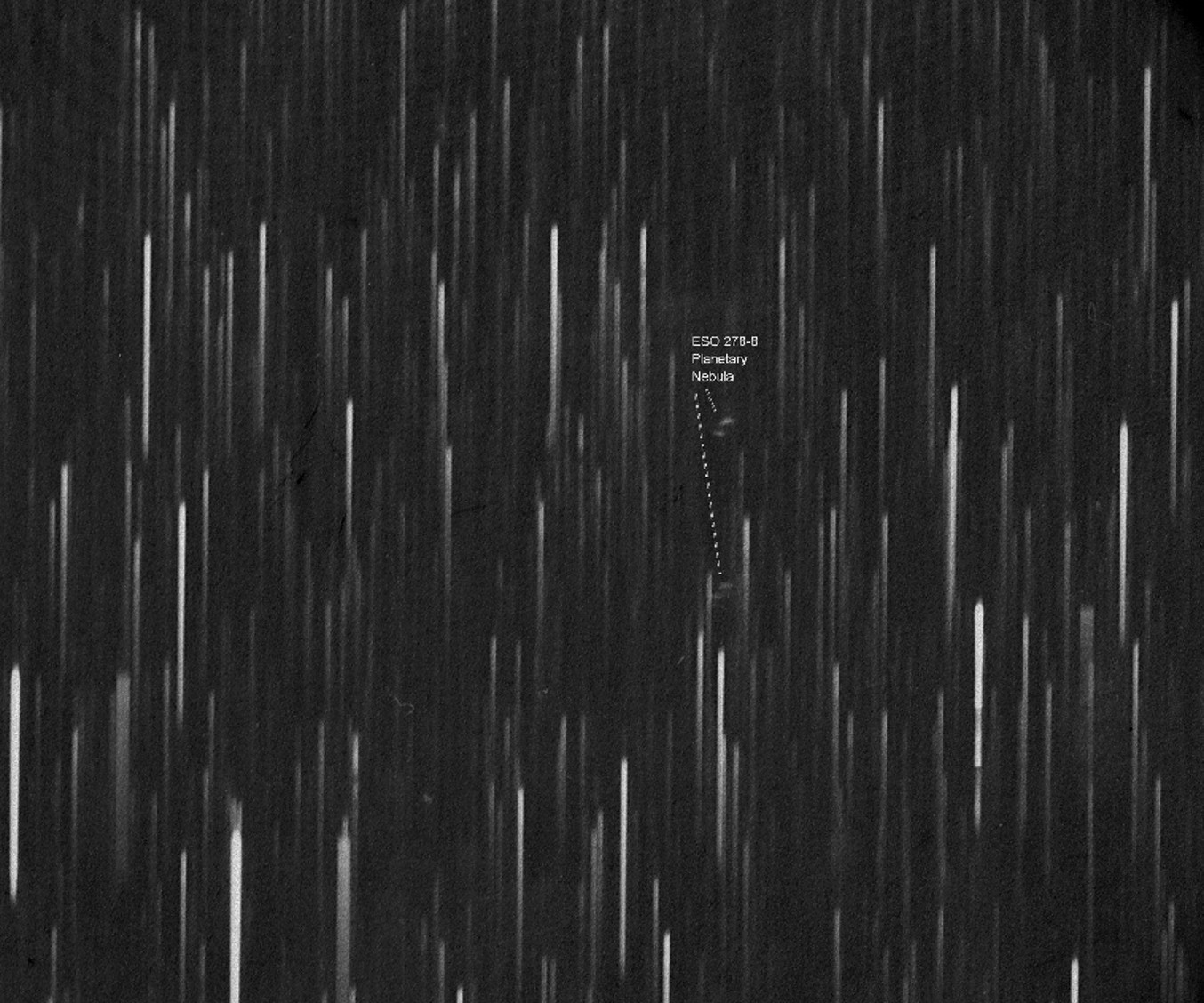
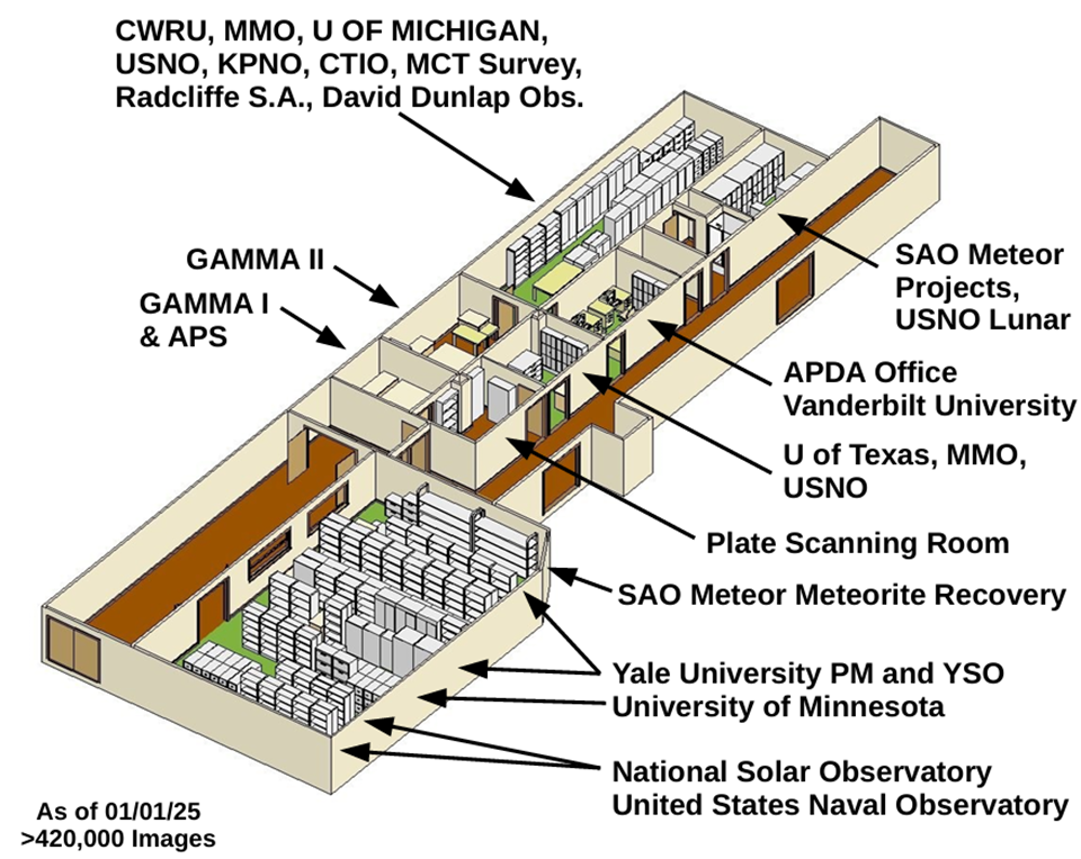
APDA currently includes collections from the following organizations, and more:
| Origin | Collection Name | Type(s) | Images | Origin Total |
|---|---|---|---|---|
| Yale University | YSO AG Plates | Astrometric | 2125 | 100,265 |
| Yale Zone Plates | Astrometric | 1925 | ||
| Yale 26" AG Plates | Astrometric | 12000 | ||
| Parallax Plates | Astrometric | 68000 | ||
| Miscellaneous Plates | Direct, Spectra, Astrometric | 10495 | ||
| Allegheny Plates | Astrometric | 5720 | ||
| United States Naval Observatory | Zone Astrograph | Astrometric | 1566 | 129,295 |
| UCAC2 | Astrometric | 2978 | ||
| TAC | Astrometric | 1400 | ||
| Parallax Plates | Astrometric | 36341 | ||
| Parallax Plates (stored in ammo boxes) | Astrometric | 23979 | ||
| NOFS 61" Telescope Plates | Direct | 20 | ||
| Moon Camera 10" Telescope Misc | Direct | 20814 | ||
| Minor Planets | Astrometric | 180 | ||
| Double Star and Miscellaneous | Astrometric | 39800 | ||
| AGK2, ZA, LA, BY | Astrometric | 2217 | ||
| University of Texas | Miscellaneous Prints (8"x10") | 300 | 4,041 | |
| Miscellaneous Slides, Prints, Negatives | Direct | 500 | ||
| Miscellaneous CTIO, NOFS, Burrell-Schmidt | Spectra & Direct | 113 | ||
| Minor Planet Survey (8"x10") | Astrometric | 1328 | ||
| McDonald Observatory Coudé Spectra | Spectra | 120 | ||
| Mars Prints (1939–1960s) | Direct | 300 | ||
| Henize Southern H-alpha Survey (University of Michigan) | Spectra | 354 | ||
| Henize Skylab SN‑019 UV Spectra | Spectra | 513 | ||
| Henize 3"x4" Plates (University of Michigan 1960's) | Spectra | 513 | ||
| University of Nebraska | Direct | Direct | 104 | 104 |
| University of Minnesota | POSS-II Blue Plates | Direct | 894 | 19,202 |
| POSS-I Blue & Red Plates | Direct | 1872 | ||
| Luyten Red Sky Survey Plates | Direct | 936 | ||
| Cordoba Observatory (Argentina) | Astrometric | 15500 | ||
| University of Michigan | Henize Southern Survey H-alpha 16°×16° | Spectra | 385 | 23,155 |
| 472 Objects (1911–1970s) | Spectra | 22625 | ||
| Curtis-Schmidt Plates — Standard Stars | Spectra | 145 | ||
| University of Florida | Dr. Fitzgibbons 185 CTIO 12" Maksutov & 46 KPNO 12" Cass | 211 | 211 | |
| Union College | Dr. A. G. Davis Phillip | Spectra | 741 | 741 |
| STScI | POSS Bound Prints (971) & Overlays (717) - Victoria Laidler | 1688 | 1688 | |
| Stony Brook University | Dr. Deane Peterson | Spectra | 644 | 644 |
| Smithsonian Astrophysical Observatory | Bolographic Plates - Search for Solar Constant | 1997 | 1997 | |
| Radcliffe Observatory | 74" Reflector Dr. Stibbs Cepheids 49 A/mm at Hγ | Spectra | 1245 | 1245 |
| POSS-I | 103a-E and 103a-O sensitive plates | Prints | 1872 | 1872 |
| Observatorio Astrofisico Nacional, Tonantzintla Mexico | Spectra | 21 | 21 | |
| NOFS | UJ Plates IIIa-J - POSS fields 48" Oschin Schmidt | Direct | 1058 | 1538 |
| Minor Planets | Direct | 480 | ||
| National Solar Observatory | USNO H-alpha Solar Images (1898–1995) | Direct | 28862 | 28862 |
| Mount Stromlo Australia | Direct | 10 | 10 | |
| Miscellaneous | Spectral Images from Various Observatories | Spectra | 550 | 2600 |
| Orphans | Plates, Slides, Negatives | 500 | ||
| Direct Images from Various Observatories | Direct | 1550 | ||
| MCT (Montreal-Cambridge-Tololo) | Survey | Spectra | 350 | 350 |
| Mauna Kea Observatory | Dr Alex Storr, Comet Halley (1985–86) | Direct | 73 | 73 |
| Maria Mitchell Observatory | 1915–1995 | Direct | 7125 | 7125 |
| Lick Observatory | Direct | 200 | 200 | |
| Leo Connolly | Direct | 166 | 166 | |
| Las Campanas Observatory | Direct | 160 | 160 | |
| KPNO | Dr. Thomas Kinman - BL Lac, 3C 273, RR Lyrae | 1714 | 1932 | |
| Burrell-Schmidt HK Surveys, Beers et al, | Direct | 218 | ||
| International Halley Watch | 1985-1986 Positive Film Copies - 84 Observatories | Direct | 1123 | 1123 |
| Harvard | Meteor Survey, Baker Super-Schmidt | Direct | 35000 | 46055 |
| Meteorite Recovery (SAO), 1963–1974 | Direct | 11000 | ||
| All-Sky Survey (1898–1903) | Direct | 55 | ||
| National Center for Atmospheric Research High Altitude Observatory (HAO NCAR) |
MLSO Solar July 1991 MK3 Coronameter | Direct | 2339 | 2339 |
| Hale Observatories | Mt Palomar and Mt Wilson | Direct | 96 | 96 |
| Grober Schmidlspiegel | Spectra | 109 | 109 | |
| Fort Yukon | Chemical Trails (Film Frames) | Direct | 2484 | 2484 |
| Dyer Observatory (Vanderbilt University) | (incl. 85 Univ Minn plates) | Direct | 1789 | 1789 |
| David Dunlap Observatory | University of Toronto | Direct | 150 | 150 |
| CTIO | Curtis-Schmidt - Dr. McConnell Miscellaneous | Spectra | 354 | 4983 |
| Curtis-Schmidt - Dr. McConnell Infrared Survey | Spectra | 808 | ||
| Curtis-Schmidt - Dr. Houk 10 degree Southern Survey | Spectra | 3500 | ||
| 4-meter Plates | Direct | 321 | ||
| Central Michigan University | Direct | 268 | 268 | |
| Case Western Reserve University | 1941–1994 | Spectra, Direct | 15358 | 33032 |
| Cover Glass, Orphan Plates, etc. | 17674 | |||
| Canada-France-Hawaii | 3.6-meter Telescope | Spectra | 21 | 21 |
| Cambridge University | Astronomical Survey Unit - Misc Plates | 934 | 934 | |
| Bosscha Observatory | Lembang, West Java, Indonesia | 11 | 11 | |
| Grand Total: | 420,891 | |||
From students to space agencies, APDA contains the data needed to grow our understanding of the universe.
Interns pursue projects that lead to posters, papers, and publications, growing their skills, experience, and confidence as they make contributions to astronomy and astrophysics.
Scientists and Researchers use the archive to test how their ideas match historical observations, fill in gaps in data, and grow our understanding of objects and phenomena.
Space agencies and engineers use the data as a training set to make telescopes smarter and more autonomous and increase how efficiently new discoveries can be made.
PARI reserves copyright on all content on this site except where otherwise noted. © 2026 Pisgah Astronomical Research Institute